


If you plan to hire a property manager they are going to ask you to sign a Property Management Agreement (commonly known as a PMA).
The PMA governs all aspects of the relationship between the property owner and the manager and for this reason is an important document to pay attention to.
A common mistake new owners make is the belief that a shorter PMA is BETTER for them than and a longer PMA. This isn’t necessarily true. What the PMA says is a lot more important than the length of the PMA.
In fact, in most cases, a longer PMA is proof that the manager is experienced. Every clause exists for a reason. That means the manager has contemplated issues ahead of time and addressed them transparently.
A PMA may also have other fees buried inside. It’s important to compare what they state as the "pricing" versus what the PMA states.
5 Key Sections to Pay Attention to
Below are 5 common sections in a PMA you will want to pay extra attention to.
Termination
Manager Discretion
Indemnification
Hold Harmless / Limitations of Liability
Excluded Services
Termination Language
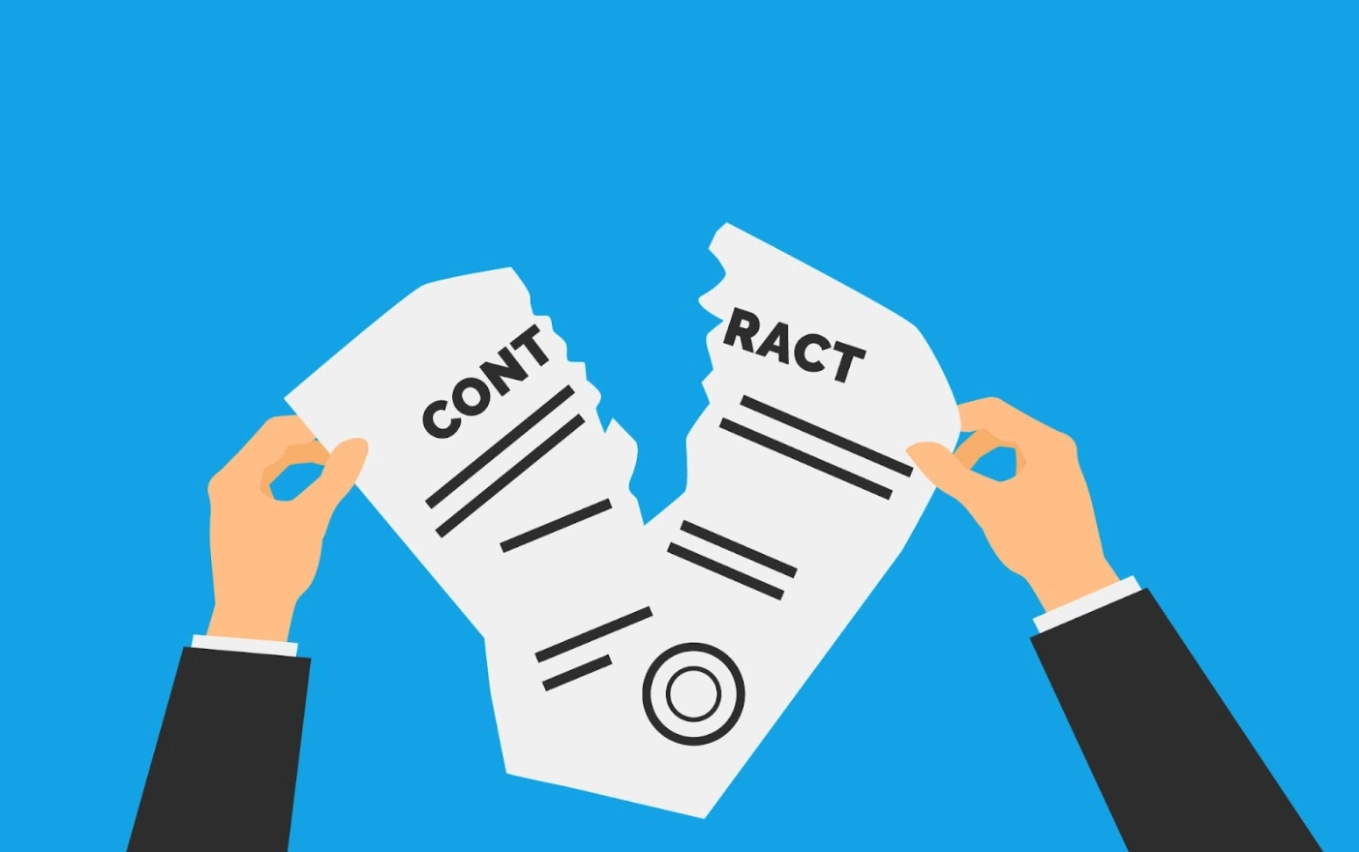
Termination language is normal and it ensures both parties are protected from one another walking out on the arrangement early.
If you’re an owner, the last thing you want is your manager quitting without notice leaving you to scramble to find a new manager, especially if it’s in the midst of an emergency.
Likewise, the manager doesn’t want to lose you after putting a lot of time and energy into getting to know the property, you, and your tenant.
To ensure both parties think longer term, termination language sets conditions and/or penalties for breaching or abandoning the agreement early.
As an owner, you want to be able to terminate or at least be able to terminate if the manager isn’t performing their core functions such as responding to maintenance requests in a timely fashion or providing regular financials on how the property is doing.
The manager also wants protection and may have language around owner conduct and/or issues around legal compliance. Some owners may ask a manager to do something that isn’t lawful, and the manager will want to be able to exit that relationship immediately.
If a penalty is imposed for early termination, you will want to know what that is up front. The manager should be able to clearly explain what it is and why they charge a penalty.
Penalties range from a few months of management fees to half a month’s rent, or even payout of the remaining contract. The amount varies depending on the market and the property type.
Terminations can also be “for cause” (breach of contract) and usually carry no penalty, but may allow the party who breached the agreement to have an opportunity to cure (fix) the problem within a specified period of time. If fixed, the agreement is no longer in breach.
Ultimately, termination language comes down to what you're comfortable with and what is fair. The more time and resources the manager must provide the more the termination fee will likely be.
Sound Advice: If the agreement doesn’t allow you to terminate without penalty in instances where the manager is not honoring their duties and is unable, or unwilling to to cure, you should be able to terminate that relationship immediately and at no cost.
When reviewing termination language, make sure it’s clear what happens if you’re not getting what you paid for.
Manager Discretion

Your manager needs to have discretion. Managing rental property is far too complex for every scenario to be covered in the PMA.
That doesn’t mean they should be able to operate without boundaries though.
The PMA should balance manager decision making with reasonable limits. A common boundary is around approving maintenance.
For routine, required, or smaller repairs, managers usually have full decision making capabilities, but for maintenance issues that are not routine or exceed a certain dollar amount e.g. $1,000.00, the manager will need owner approval.
A $1,000.00 may sound like a lot, and it is, but not when it comes to keeping your business running smoothly and your tenant happy. Remember, you hired the manager so you don’t have to micro-manage.
Sound Advice: If you are reading a PMA and the manager doesn’t have any limits on their authority or if their authority seems to board, then it may be a sign the manager wants more authority than is typical or in some cases, they are trying to avoid accountability. Ask your manager to explain their authority and why the PMA is written the way it is.
Indemnification

What the heck is indemnification?
Glad you asked. When you hire a manager, you are entering into an agency relationship. The manager is an extension of you and acting on your behalf. For this reason if the manager sued while managing your property, you as the owner agree to indemnify them e.g. step in to defend and pay for legal bills.
You may wonder, why would I want to do that?
For starters, smart agents won’t take on personal risk when working on another’s behalf.
For example, in most jobs, the employee is not personally liable for the actions of the business. If they were, they would probably want ownership.
In short, if you want your manager to participate in the downside, you have to let them participate in the upside, but that’s not what an agency relationship is for.
So what do you do if you don’t have a pile of money to indemnify your manager?
Don’t worry, that is what your insurance is for.
When you hire a manager, contact your insurance company and add the manager as an “additional insured” to your existing policy. The best part, there is no additional cost to you.
Sounds Advice: If you find yourself reading a PMA with no language about indemnification, it’s a strong sign the manager doesn't know what they are doing. As a result, if a lawsuit does arise, you may find them going after you personally because they were never named “additional insured”. Not a problem you want to deal with.
You can learn more about this process in our article on “Why Naming Your Property Manager as an “Additional Insured” is a No Brainer” or watching our short video on Youtube.
Hold Harmless/ Limitations on Liability

This type of language is usually found next to indemnification language. The purpose is to limit the manager's liability.
While limitations on liability is normal, it shouldn’t cover the managers gross negligence or willful misconduct. The manager should be responsible for their actions if it's clear they not only didn’t do a good job, but intentionally disregarded their duties to you.
You may wonder, why shouldn’t the manager be liable for everything they do?
Well, in a perfect world that would be a reasonable position, but unfortunately in America, people get sued for all sorts of reasons, some valid and some invalid. Since there is a good chance your manager manages more than one property, it wouldn’t be practical or smart for managers to take on the full liability for all the properties they manage, the risk wouldn’t be worth the reward. Limits on liability keep property management services affordable.
If the PMA your reading doesn’t include this type of language, then you as the owner are potentially off the book, but there is a cost to that. The manager is demonstrating to you that they don’t understand the risks of the business. If they are not wise enough to protect their own business, it’s almost certain they are not wise enough to protect you and your property.
Sound Advice: The goal is to hire and retain a professional and competent manager you can trust with your 6 figure or 7 figure asset, not an amateur discount provider.
Excluded Services

For new landlords there can be a lot of confusion around what the monthly management fee covers.
The management agreement should identify what services are included upfront and clearly.
Common core services include;
Rent collection
Resident communication
Monthly financial statements e.g. a profit and loss statement
Emergency maintenance response e.g. being on call 24/7/365
General maintenance review and coordination
Review to ensure ongoing compliance with local laws
These services above cover the majority of day to day needs for most rental properties. If you find these services are not covered, you should shop around.
Common excluded services include, but are not limited to;
Meeting with inspectors, real estate agents, appraiser, or insurance providers
Overseeing large renovations or projects greater than $2,500.00
Producing detailed financial packages for a sale
Collections and small claim services
Eviction services
Asset management e.g. setting budgets for the property
Forwarding packages or mail sent to the property
Hourly rates for excluded services can range from $50-$200/hr+
Conclusion
The PMA is the roadmap to your relationship. The PMA has the final say when things are good and when they are bad. While it may seem intimidating to review and sign a longer PMA, it often is to your advantage. A short PMA just means lawyers will get involved sooner if a dispute arises. It’s safer to have things clear from the beginning.
If you are looking to hire a property manager, we would love to talk to you.


